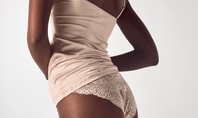
Nightwear for menopause: What really matters
You’re lying awake at night, and suddenly your duvet feels far too warm. Moments later, you’re freezing so much you could use a hot‑water bottle. Anyone going through menopause knows the feeling: hot flushes and night sweats can seriously disrupt your sleep. What many underestimate is how much the right nightwear can influence sleep quality. Here, you’ll learn everything about breathable materials and optimal cuts that help you enjoy calmer, more comfortable nights during menopause — especially when choosing the best nightwear for menopause.
by CALIDA
May 27, 2026•4 min reading time
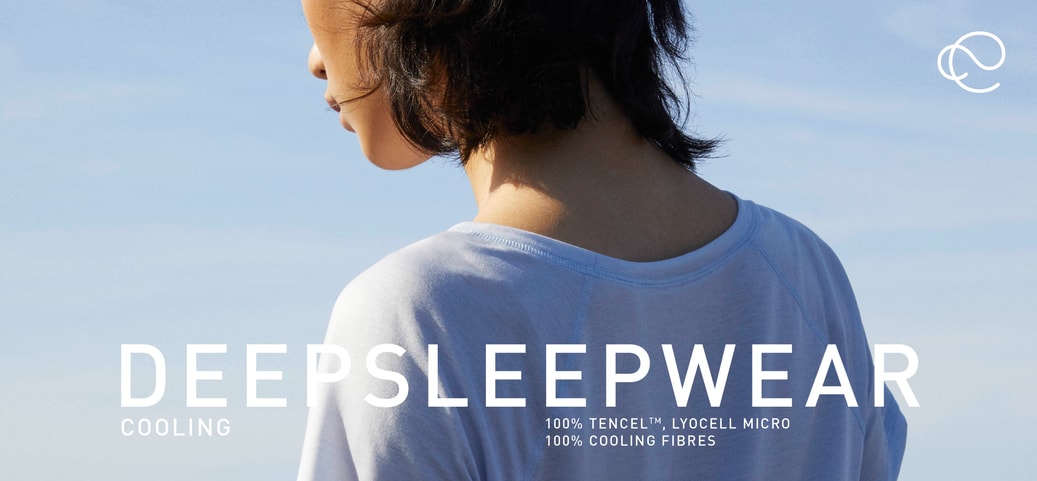
Breathable sleepwear helps reduce night sweats during menopause and improves sleep and overall comfort.
Table of Contents
Why nightwear plays such an important role during menopause
The right materials: breathable, cooling and gentle on the skin
• TENCEL™ & Lyocell: High‑performance moisture management
• Cotton: The classic all‑round natural fibre
Materials to avoid during menopause
Comfort at night: Fits and cuts that provide relief
• Loose & lightweight: What really helps with hot flushes
• Pyjamas or nightdress: Which works better?
Key points
Natural fibres such as TENCEL™, Lyocell and cotton are the best choice during menopause because they wick away moisture and help regulate body temperature — essential when choosing the right nightwear for menopause.
Loose, lightweight cuts — like relaxed pyjama tops, shorts or flowing nightdresses — reduce heat build‑up and allow unrestricted movement.
Synthetic materials such as polyester should be avoided, as they trap heat and sweat and may irritate the skin.
Why nightwear plays such an important role during menopause
Menopause brings hormonal changes that affect the entire body. As oestrogen levels drop, the body’s temperature regulation becomes more sensitive, triggering the typical hot flushes at night that can jolt many women out of sleep. In response, the body often produces night sweats to counteract overheating — leading to damp sheets, interrupted sleep and morning fatigue.
In this process, your sleep environment — and especially the materials that touch your skin directly — becomes a crucial factor. Nightwear that traps heat or fails to wick away moisture can intensify discomfort and make it harder to fall back asleep. Breathable, moisture‑regulating fabrics, on the other hand, support the body’s natural temperature balance and help you drift off more easily after waking.
In short: the right pyjamas or nightdress can make a noticeable difference to comfort and relaxation during menopause, making nightwear for menopause an essential part of restful nights.
The right materials: breathable, cooling and gentle on the skin
Choosing the right material is essential when selecting nightwear for menopause. The key is to opt for natural fibres with breathable and moisture‑regulating properties. Here’s what makes the most suitable fabrics stand out — and how they differ.
TENCEL™ & Lyocell: High‑performance moisture management
TENCEL™ Lyocell has become a true hero fibre in recent years — and with good reason. This sustainably sourced wood‑based fibre is one of the best choices for women experiencing menopausal symptoms.
It is renowned for its exceptional moisture management: it absorbs sweat quickly, draws it away from the skin and releases it evenly. The result is a dry, cooling feel that remains comfortable even during intense night sweats.
Another advantage is its soft, skin‑friendly texture, which is especially important as many women experience increased skin sensitivity during menopause.
Cotton: The classic all‑round natural fibre
Cotton is another trusted natural fibre widely used in nightwear. It is breathable, soft and easy to care for. High‑quality cotton withstands frequent washing and drying — a major advantage when night sweats mean you need to change sleepwear more often.
A useful tip: cotton comes in different weights and constructions. Lightweight cotton fabrics support the body’s natural temperature balance particularly well and help prevent overheating.
Materials to avoid during menopause
When choosing nightwear for menopause, the recommendation is clear: opt for lightweight, breathable natural fibres with temperature‑regulating properties.
Synthetic materials such as polyester or nylon, however, are best left in the wardrobe. They are poor at wicking moisture, trap heat and sweat, and can irritate sensitive skin. Even less stretchy fabrics or tight waistbands can interfere with temperature regulation and disrupt sleep — even if they are made from natural fibres.
Comfort at night: Fits and cuts that provide relief
Material plays a major role — but it’s not the only factor. The cut of your nightwear is equally important when it comes to sleeping well during menopause.
Loose & lightweight: What really helps with hot flushes
Loose‑fitting pyjamas and nightdresses are often a better choice during menopause than tight‑fitting styles. Relaxed pyjama tops and trousers allow air to circulate, preventing heat from building up under the fabric. If you tend to sweat at night, shorter cuts offer additional relief: shorts and short‑sleeved tops made from lightweight, flowing materials such as TENCEL™ are the best option to avoid overheating and maximise comfort.
Pyjamas or nightdress: Which works better?
Both pyjamas and nightdresses can work well during menopause — as long as you choose the right material and cut. Nightdresses offer maximum airflow, making them especially suitable for women who sweat heavily at night.
Two‑piece pyjamas, on the other hand, offer flexibility. You can mix and match long and short trousers and tops to suit your temperature needs. What matters most is that waistbands, hems and seams don’t feel restrictive, as pressure points can affect circulation and intensify the sensation of heat — even if the fabric itself is breathable.
How often should you change nightwear during menopause?
When you sweat at night, you release not only body heat but also moisture that is absorbed by the fabric. Nightwear worn for several nights without washing can encourage bacteria and irritate the skin. If you sweat heavily, it’s best to change your nightwear daily, or at least every two days.
A daily change is not only a matter of hygiene but also of comfort. Fresh nightwear made from soft natural fibres feels noticeably better on the skin — and that has a direct impact on sleep quality. It’s therefore worth having several sets of high‑quality nightwear so that a fresh outfit is always available, even with frequent washing.
Another tip: choose gentle wash cycles and mild detergents to help the fibres maintain their natural, beneficial properties — especially important for breathable nightwear for menopause.
Conclusion
The menopausal transition brings sleep‑related challenges — but the right nightwear for menopause can noticeably ease them. Breathable natural fibres such as TENCEL™, Lyocell and high‑quality cotton support effective moisture management and help you cope better with hot flushes and night sweats. At the same time, loose‑fitting pyjamas, short‑sleeved tops, shorts or nightdresses ensure optimal airflow and reduce heat build‑up.
If you also make sure to change your nightwear daily and avoid synthetic materials, you create a far more comfortable sleep environment during menopause. Especially in this demanding phase of life, restorative sleep has a significant impact on overall wellbeing and your energy levels the next day.
Discover more interesting blog posts: